


Groundnut Cultivation Guide: Complete Peanut Farming Guide 2026
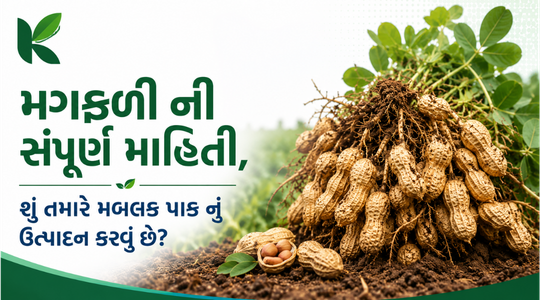
Complete Groundnut Farming Guide from Sowing to Harvesting
Groundnut (Arachis hypogaea L.), commonly known as Peanut, is one of the most important oilseed crops cultivated across the world. It is valued not only for its edible oil but also for its nutritious kernels, high protein content, livestock feed, export potential, and industrial applications. In India, groundnut occupies a significant share of the oilseed economy and provides livelihood to millions of farmers.
Groundnut is often referred to as the King of Oilseed Crops because of its high oil recovery, wide adaptability, and excellent market demand. It is cultivated during the Kharif, Rabi, and Summer seasons, depending on the climatic conditions and irrigation facilities.
This comprehensive guide covers every aspect of groundnut cultivation, including land preparation, seed treatment, nutrition management, irrigation scheduling, pest and disease control, harvesting, storage, and techniques to maximize yield.
Table of Contents
- Introduction to Groundnut
- Origin and History of Groundnut
- Importance of Groundnut Cultivation
- Botanical Classification
- Types of Groundnut
- Climate Requirements
- Soil Requirements
- Economic Importance
- Nutritional Value
- Uses of Groundnut
1. Introduction to Groundnut
Groundnut (Arachis hypogaea L.) belongs to the family Fabaceae (Leguminosae) and is one of the most widely cultivated oilseed crops in tropical and subtropical regions.
Unlike many other crops, groundnut develops its pods underground. After pollination, the flower stalk elongates and pushes the fertilized ovary into the soil, where pods develop. This unique characteristic makes groundnut one of the most fascinating crops in agriculture.
Groundnut seeds contain approximately 44–50% oil and 25–30% protein, making them one of the richest natural sources of edible oil and plant protein.
India is among the world's leading producers of groundnut, with Gujarat, Rajasthan, Andhra Pradesh, Tamil Nadu, Karnataka, Maharashtra, Madhya Pradesh, and Telangana being the major producing states.
Groundnut cultivation has become increasingly profitable due to rising demand from:
- Edible oil industries
- Snack food manufacturers
- Peanut butter producers
- Confectionery industries
- Export markets
- Livestock feed industries
Farmers prefer groundnut because it:
- Requires relatively low water compared to many field crops.
- Improves soil fertility through biological nitrogen fixation.
- Fits well into multiple cropping systems.
- Provides high economic returns under proper crop management.
2. Origin and History of Groundnut
Groundnut is believed to have originated in Brazil and neighboring regions of South America. Historical evidence suggests that wild relatives of groundnut existed in Brazil, Peru, Argentina, and surrounding areas thousands of years ago.
From South America, Portuguese traders introduced groundnut to Africa during the sixteenth century. Later, the crop spread to North America, Mexico, the Caribbean Islands, Southeast Asia, China, and India through maritime trade.
In India, groundnut first reached the eastern coast of the former Madras Presidency. Historical records indicate that commercial cultivation began in the Mysore region around 1800 AD, after which it rapidly spread across peninsular India.
Today, groundnut is cultivated in more than 100 countries, with India, China, Nigeria, Sudan, Myanmar, Argentina, Indonesia, Senegal, and the United States among the leading producers.
Over the last century, continuous breeding and research have resulted in improved varieties with higher yield potential, disease resistance, drought tolerance, and better oil quality.
Groundnut has evolved from a regional crop into one of the world's most important oilseed commodities, contributing significantly to food security, edible oil production, livestock nutrition, and international trade.
3. Importance of Groundnut Cultivation
Groundnut is often called the "Wonder Crop" because almost every part of the plant has economic value.
Major Reasons for Its Importance
1. Edible Oil Production
Groundnut seeds contain 44–50% high-quality edible oil, which is widely used for cooking due to its pleasant flavor and excellent shelf life.
2. Rich Source of Protein
Groundnut kernels contain approximately 25–30% protein, making them an affordable source of plant protein for millions of people.
3. Export Commodity
India exports premium-quality Hand Picked Selected (HPS) groundnuts, roasted peanuts, and processed peanut products to numerous countries.
4. Livestock Feed
Groundnut cake, obtained after oil extraction, is an excellent protein-rich feed for dairy cattle, poultry, sheep, and goats.
5. Soil Fertility Improvement
As a leguminous crop, groundnut forms root nodules that host Rhizobium bacteria, which fix atmospheric nitrogen and enrich the soil. This reduces the nitrogen requirement of subsequent crops.
6. Crop Rotation Benefits
Groundnut breaks disease cycles, improves soil structure, and increases the productivity of cereal crops grown after it.
7. Industrial Applications
Groundnut oil is widely used in:
- Soap manufacturing
- Cosmetics
- Pharmaceuticals
- Lubricants
- Paints
- Confectionery
- Peanut butter
- Protein supplements
8. Employment Generation
Groundnut farming creates employment in cultivation, harvesting, shelling, grading, processing, transportation, and export.
4. Botanical Classification
CategoryDetailsKingdomPlantaeDivisionMagnoliophytaClassMagnoliopsidaOrderFabalesFamilyFabaceae (Leguminosae)Sub-familyPapilionoideaeGenusArachisSpeciesArachis hypogaea L.
Groundnut is a self-pollinated annual legume.
The flowers are yellow to orange in color and appear above the ground. After fertilization, a specialized structure called the peg grows downward into the soil, where pods develop underground.
This underground fruit development is known as geocarpy, a unique feature found in groundnut.
5. Types of Groundnut
Groundnut is broadly classified into two major subspecies, each having distinct growth habits and commercial importance.
A. Subspecies hypogaea (Virginia Group)
Characteristics:
- Spreading growth habit
- Long duration (120–150 days)
- Large pods
- Large kernels
- Higher shelling percentage
- Preferred for export
- Suitable for peanut butter production
- Dormant seeds
- High biomass production
Advantages
- Better pod size
- Higher market value
- Preferred by processing industries
B. Subspecies fastigiata
This group includes two botanical varieties:
Spanish Group
Characteristics:
- Erect growth
- Early maturity
- Small pods
- Short duration
- Suitable for rainfed cultivation
Valencia Group
Characteristics:
- Erect plants
- Three to four seeds per pod
- Sweet kernels
- Early harvesting
These varieties are popular among farmers because they mature quickly and fit well into multiple cropping systems.
6. Climate Requirements
Groundnut performs best under warm tropical and subtropical climatic conditions.
Ideal Temperature
Growth StageTemperatureGermination25–30°CVegetative Growth24–30°CFlowering25–28°CPod Development22–28°C
The crop cannot tolerate frost and prolonged cold conditions.
Excessive rainfall during flowering or harvesting may significantly reduce yield and seed quality.
Rainfall Requirement
Groundnut requires approximately 500–1250 mm of annual rainfall.
Well-distributed rainfall is more important than total rainfall.
Critical moisture stages include:
- Germination
- Flower initiation
- Pegging
- Pod formation
- Seed filling
Water stress during flowering and pegging causes severe yield loss.
Relative Humidity
Moderate humidity during flowering encourages better pollination.
Very high humidity increases fungal diseases.
7. Soil Requirements
Groundnut develops underground pods, making soil selection one of the most important factors influencing yield.
Best Soils
- Sandy loam
- Loamy sand
- Light loam
- Well-drained black soils
Unsuitable Soils
- Heavy clay soils
- Waterlogged fields
- Poorly drained soils
- Highly saline soils
Ideal Soil pH
6.0–7.5
Soils with adequate calcium in the pod zone are ideal for proper kernel development.
Drainage
Groundnut is highly sensitive to waterlogging.
Standing water for even 48–72 hours during flowering may cause:
- Root rot
- Stem rot
- Peg damage
- Poor pod filling
Proper drainage channels should always be maintained.
8. Economic Importance of Groundnut
Groundnut contributes significantly to India's agricultural economy.
Major Economic Uses
- Edible oil production
- Peanut butter manufacturing
- Roasted peanuts
- Salted peanuts
- Peanut candy
- Groundnut chikki
- Bakery industry
- Confectionery
- Animal feed
- Organic manure
- Biofuel research
Groundnut cake contains valuable nutrients and is used both as livestock feed and organic fertilizer.
Groundnut shells are used for:
- Fuel
- Particle boards
- Activated carbon
- Mushroom cultivation
- Biomass energy
9. Nutritional Value of Groundnut
Groundnut is considered a nutrient-dense food.
Average Nutritional Composition (per 100 g kernels)
NutrientApproximate AmountEnergy560–590 kcalOil44–50%Protein25–30%Carbohydrates16–18%Dietary Fiber8–10%Calcium90–100 mgPhosphorus350–400 mgPotassium650–700 mgMagnesium160–180 mgIron4–5 mgVitamin EHighNiacin (Vitamin B3)HighFolateRich Source
Groundnut is naturally free from cholesterol and contains healthy unsaturated fats, making it an important component of balanced diets when consumed in moderation.
10. Uses of Groundnut
Groundnut is one of the few crops where almost every part of the plant has commercial value.
Food Uses
- Roasted peanuts
- Boiled peanuts
- Peanut butter
- Groundnut oil
- Peanut flour
- Chikki
- Peanut snacks
- Bakery products
- Ice cream
- Confectionery
Industrial Uses
- Soap industry
- Cosmetic industry
- Paint industry
- Lubricant production
- Pharmaceutical industry
- Biodiesel research
Livestock Uses
- Groundnut cake
- Green fodder
- Dry haulms
- Silage preparation
Agricultural Uses
- Crop rotation
- Soil fertility improvement
- Nitrogen fixation
- Organic manure
11. Land Preparation for Groundnut Cultivation
Proper land preparation is one of the most important steps in successful groundnut cultivation. Since groundnut produces pods beneath the soil surface, the soil should be loose, friable, and well-drained to allow easy penetration of pegs and proper pod development. Hard or compact soils restrict peg penetration, resulting in poor pod formation and reduced yields.
Objectives of Land Preparation
- Create a fine seedbed for uniform germination.
- Improve soil aeration and water infiltration.
- Eliminate perennial weeds.
- Enhance root development.
- Facilitate easy peg penetration.
- Prevent waterlogging.
Primary Tillage
Carry out one deep ploughing using a mouldboard plough or disc plough during summer (April–May). Deep ploughing exposes harmful insects, pupae, nematodes, and weed seeds to sunlight, reducing their population before sowing.
Secondary Tillage
After receiving pre-monsoon showers or irrigation, perform two to three harrowings or cultivator operations until the soil becomes fine and well-pulverized.
The final seedbed should be:
- Loose
- Well-levelled
- Free from weeds
- Well-drained
- Free from large soil clods
Organic Matter Incorporation
Incorporate well-decomposed Farmyard Manure (FYM) or compost during the final land preparation.
Recommended dose:
- FYM: 10–15 tonnes/ha
- Per Acre: 4–6 tonnes
Organic matter improves:
- Soil structure
- Water holding capacity
- Microbial activity
- Root growth
- Nutrient availability
Drainage Management
Groundnut is extremely sensitive to waterlogging. Construct drainage channels before sowing, especially in heavy rainfall areas.
12. Seed Selection
Seed quality directly influences germination, plant population, disease incidence, and final yield.
Always select certified, healthy, and genetically pure seeds.
Characteristics of Good Seed
- High germination (>85%)
- Uniform size
- Bold kernels
- Disease-free
- Insect-free
- Well-developed seed coat
- True to variety
Avoid:
- Broken kernels
- Shrivelled seeds
- Moldy seeds
- Damaged seeds
- Immature pods
Shelling of Pods
Groundnut pods should be shelled only 2–3 days before sowing.
Early shelling may reduce seed viability due to moisture loss and mechanical damage.
Use only fully mature pods for shelling.
13. Recommended Groundnut Varieties
Selection of suitable varieties depends on climate, rainfall, soil type, irrigation facilities, and market demand.
High-Yielding Varieties
Gujarat
- GG 2
- GG 5
- GG 7
- GG 11
- GG 13
- GG 16
- GJG 9
- GJG 22
- GJG 31
Rajasthan
- Girnar 2
- HNG 10
- Prakash
- Mukta
- RG 382
- TG 37A
Andhra Pradesh
- Kadiri 6
- Kadiri 9
- Kadiri Harithandra
- ICGV 86590
- TCGS 1157
Karnataka
- GPBD-4
- G2-52
- TMV-2
- KRG-1
Tamil Nadu
- VRI-2
- VRI-3
- CO-3
- ALR-2
- TMV-13
Maharashtra
- TAG-24
- AK-159
- JL-24
- Phule Vyas
- Phule Unnati
Punjab & Haryana
- Girnar 2
- HNG 10
- Prakash
- M548
- Punjab Groundnut-1
Odisha
- Smruti
- TG-38
- Dh-101
- RSHY-1
Variety Selection Tips
Choose varieties based on:
- Duration
- Disease resistance
- Drought tolerance
- Oil percentage
- Export quality
- Market demand
14. Seed Rate
Proper seed rate ensures optimum plant population, which directly affects productivity.
Spanish & Valencia Types
Seed Rate:
- 50–60 kg kernels/acre
- 120 kg pods/ha
Virginia Types
Seed Rate:
- 40–50 kg kernels/acre
- 100–110 kg pods/ha
The exact seed rate depends on:
- Kernel size
- Germination percentage
- Plant spacing
- Variety
Always use healthy kernels for sowing.
15. Seed Treatment
Seed treatment protects seedlings against seed-borne diseases, soil-borne fungi, and early insect attacks.
It is one of the most economical methods for increasing yield.
Fungicide Seed Treatment
Recommended fungicides:
- Carbendazim @ 2 g/kg seed
- OR
- Mancozeb @ 3 g/kg seed
- OR
- Thiram @ 3 g/kg seed
This protects against:
- Collar rot
- Stem rot
- Seed rot
- Seedling blight
Biofungicide Option
Treat seeds with:
- Trichoderma viride @ 10 g/kg seed
This reduces fungal diseases naturally.
16. Rhizobium Inoculation
Groundnut belongs to the legume family and can fix atmospheric nitrogen through Rhizobium bacteria.
Proper inoculation improves nodulation and reduces nitrogen fertilizer requirement.
Benefits
- Better root nodules
- Higher nitrogen fixation
- Increased plant vigour
- Higher pod yield
- Improved soil fertility
Method
- Prepare 10% jaggery solution.
- Cool the solution.
- Mix Rhizobium culture.
- Coat seeds uniformly.
- Shade dry for 30 minutes.
- Sow immediately.
Never expose inoculated seeds to direct sunlight.
Suitable strains include:
- NC-92
- TAL-1000
- IGR-6
- TNAU-14
17. Sowing Time
Selecting the correct sowing time is essential for obtaining higher yields.
Kharif Season
Best sowing period:
- June to July
Immediately after receiving sufficient monsoon rainfall.
Rabi Season
Best sowing:
- November–December
Suitable in southern India.
Summer Season
Best sowing:
- January–February
Requires assured irrigation.
Advantages of Timely Sowing
- Better germination
- Uniform crop stand
- Reduced pest incidence
- Improved flowering
- Better pod filling
- Higher yield
Late sowing generally results in:
- Lower yield
- Higher disease incidence
- Poor peg formation
- Reduced pod development
18. Sowing Method
Groundnut can be sown by several methods depending on farm size and machinery availability.
Seed Drill
Most suitable for large-scale farming.
Advantages:
- Uniform spacing
- Uniform seed depth
- Saves labour
- Better germination
Dibbling
Suitable for small farms.
Seeds are placed manually at recommended spacing.
Tractor-operated Planter
Best for commercial cultivation.
Provides:
- Uniform seed placement
- Better plant population
- Reduced labour cost
Sowing Depth
Ideal depth:
5–6 cm
Deep sowing delays germination.
Very shallow sowing causes poor root establishment.
19. Plant Spacing
Proper spacing ensures optimum sunlight, aeration, and nutrient availability.
Spanish & Valencia Types
Row spacing:
30 cm
Plant spacing:
10 cm
Approximate population:
1.30–1.40 lakh plants/acre
Virginia Types
Row spacing:
45 cm
Plant spacing:
10–15 cm
Approximate population:
90,000–1,00,000 plants/acre
Benefits of Proper Spacing
- Better branching
- Reduced disease incidence
- Easy interculture
- Better pod development
- Higher yield
20. Crop Establishment and Early Crop Management
The first 45 days are the most critical period in groundnut cultivation.
Proper crop establishment determines the final yield.
Germination
Healthy seeds germinate within:
5–8 days
depending on soil moisture and temperature.
Gap Filling
Inspect the field after 7–10 days.
Fill missing gaps immediately using healthy pre-germinated seeds.
Early Weed Control
Keep the crop weed-free during the first 40–45 days.
Weeds compete for:
- Water
- Nutrients
- Sunlight
- Space
Resulting in severe yield loss.
Earthing-up
Carry out light earthing-up during 30–40 DAS, particularly in bunch-type varieties.
Benefits:
- Better peg penetration
- Improved pod development
- Reduced lodging
- Better drainage
Early Pest Monitoring
Regularly inspect the field for:
- Aphids
- Thrips
- Jassids
- Leaf miner
- Red hairy caterpillar
Early detection significantly reduces crop losses.
Maintain Optimum Soil Moisture
Avoid both drought and waterlogging during early crop growth.
Uniform soil moisture promotes:
- Healthy root growth
- Better nodulation
- Vigorous branching
- Strong flowering
21. Nutrient Management in Groundnut Cultivation
Proper nutrient management is the foundation of successful groundnut production. Since groundnut is a leguminous crop, it has the ability to fix atmospheric nitrogen through Rhizobium bacteria. However, for optimum growth and high yields, balanced nutrition is essential.
Groundnut requires both macronutrients (Nitrogen, Phosphorus, Potassium, Calcium, Sulphur, Magnesium) and micronutrients (Zinc, Boron, Iron, Manganese, Copper, Molybdenum) at different growth stages. A deficiency of any one nutrient can lead to poor flowering, inadequate peg formation, empty pods, low kernel weight, and reduced oil content.
Major Nutrient Functions
- Nitrogen (N): Promotes vegetative growth and leaf development.
- Phosphorus (P): Encourages root growth, flowering, and early maturity.
- Potassium (K): Improves drought tolerance, disease resistance, and seed quality.
- Calcium (Ca): Essential for peg penetration, pod filling, and kernel development.
- Sulphur (S): Required for oil formation and protein synthesis.
- Magnesium (Mg): Vital for chlorophyll production and photosynthesis.
Balanced fertilization improves:
- Pod size
- Kernel filling
- Oil percentage
- Shelling percentage
- Drought tolerance
- Disease resistance
- Market quality
22. Recommended Fertilizer Dose
The fertilizer requirement varies according to soil fertility, cropping season, irrigation, and soil test results. However, the following recommendations are suitable for most Indian conditions.
Recommended Dose (Per Hectare)
NutrientQuantityNitrogen (N)20–25 kgPhosphorus (P₂O₅)40–60 kgPotassium (K₂O)20–40 kgSulphur20–30 kgCalciumThrough Gypsum
Recommended Dose (Per Acre)
NutrientQuantityNitrogen8–10 kgPhosphorus16–24 kgPotassium8–16 kgSulphur8–12 kg
Organic Manure
Apply:
- 4–6 tonnes FYM or well-decomposed compost per acre before sowing.
Benefits:
- Improves soil structure
- Enhances microbial activity
- Increases moisture retention
- Reduces nutrient losses
- Improves fertilizer use efficiency
23. Stage-wise Fertilizer Schedule
Applying nutrients according to crop growth stages is more effective than a single application.
Before Sowing
- Farmyard Manure (FYM): 4–6 tonnes/acre
- SSP (Single Super Phosphate): As per phosphorus requirement
- MOP (Muriate of Potash): If potassium-deficient soils
- Zinc Sulphate (if deficient): 10 kg/acre once in 2–3 years
15–20 Days After Sowing (Vegetative Stage)
Foliar Spray:
- NPK 19:19:19 @ 1% (10 g/L)
Benefits:
- Promotes vigorous plant growth
- Encourages branching
- Increases leaf area
30–35 DAS (Flower Initiation)
Apply:
- Gypsum (see Section 25)
- Boron spray if deficiency is expected
40–50 DAS (Peak Flowering)
Foliar Spray:
- Calcium Nitrate @ 1%
- Boron @ 0.2%
Benefits:
- Improves peg formation
- Reduces flower drop
- Increases pod setting
60–70 DAS (Pod Development)
Foliar Spray:
- SOP (00:00:50) @ 1%
- Amino Acid (optional)
Benefits:
- Improves seed filling
- Increases oil content
- Enhances kernel weight
24. Integrated Nutrient Management (INM)
Integrated Nutrient Management (INM) combines organic, inorganic, and biological sources of nutrients to maintain long-term soil fertility and achieve sustainable yields.
Components of INM
Organic Sources
- Farmyard Manure (FYM)
- Vermicompost
- Compost
- Green manure
Chemical Fertilizers
- SSP
- MOP
- Gypsum
- Zinc Sulphate
Biofertilizers
- Rhizobium
- Phosphate Solubilizing Bacteria (PSB)
Benefits of INM
- Higher fertilizer efficiency
- Better soil health
- Increased microbial population
- Improved nutrient availability
- Reduced production costs
- Sustainable productivity
25. Calcium Management (Most Important)
Calcium is one of the most critical nutrients in groundnut cultivation because pods develop underground. Calcium is required directly in the pod zone, not just in the root zone.
A calcium deficiency can lead to:
- Empty pods (Pops)
- Poor kernel filling
- Small kernels
- Reduced seed quality
- Lower oil content
Symptoms of Calcium Deficiency
- Empty shells
- Shrivelled kernels
- Poor pod filling
- Reduced peg development
Source of Calcium
The best source is Gypsum (Calcium Sulphate).
Recommended Dose
- 200–250 kg/ha
- 80–100 kg/acre
Time of Application
30–35 DAS (Peak Flowering Stage)
Apply gypsum around the plant base and lightly incorporate it into the soil. Moist soil after application improves calcium availability.
Benefits of Gypsum
- Better peg penetration
- Improved pod development
- Higher shelling percentage
- Increased kernel weight
- Improved oil content
- Higher market value
26. Sulphur Management
Groundnut is an oilseed crop, and sulphur plays a vital role in oil synthesis and protein formation.
Functions of Sulphur
- Increases oil percentage
- Improves protein synthesis
- Enhances nodulation
- Improves seed quality
Deficiency Symptoms
- Yellowing of young leaves
- Stunted growth
- Thin stems
- Low oil content
Sources of Sulphur
- Gypsum
- Single Super Phosphate (SSP)
- Elemental Sulphur
Applying gypsum at flowering supplies both calcium and sulphur, making it the preferred choice.
27. Micronutrient Management
Although required in small quantities, micronutrients are essential for achieving high yields.
Zinc (Zn)
Function
- Enzyme activation
- Root growth
- Chlorophyll formation
Deficiency Symptoms
- Small leaves
- Yellow bands
- Reduced growth
Recommendation
Soil Application:
- Zinc Sulphate @ 10 kg/acre (once every 2–3 years in deficient soils)
Foliar Spray:
- 0.5% Zinc Sulphate + 0.25% Lime
Boron (B)
Function
- Flower formation
- Pollen viability
- Peg formation
- Pod filling
Deficiency Symptoms
- Empty pods
- Flower drop
- Cracked kernels
- Poor seed set
Recommendation
Foliar Spray:
- Borax @ 0.2%
Time:
- Flowering stage
Iron (Fe)
Deficiency Symptoms
- Yellowing of young leaves while veins remain green (Interveinal chlorosis)
Recommendation
Foliar Spray:
- 0.5% Ferrous Sulphate + 0.15% Citric Acid
Manganese (Mn)
Functions:
- Photosynthesis
- Enzyme activation
Deficiency:
- Yellow spots on leaves
Recommendation:
- 0.3% Manganese Sulphate spray
Copper (Cu)
Functions:
- Disease resistance
- Enzyme activity
Recommendation:
- 0.5% Copper Sulphate + Lime spray
Molybdenum (Mo)
Functions:
- Nitrogen fixation
- Nodule development
Recommendation:
- Sodium Molybdate seed treatment or foliar spray in deficient soils.
28. Foliar Nutrition Schedule
Foliar nutrition supplements soil fertilization and provides nutrients during critical growth stages.
Crop StageRecommended SprayPurpose20 DASNPK 19:19:19 @ 1%Vegetative growth35 DASCalcium Nitrate @ 1%Flower retention35 DASBoron @ 0.2%Peg formation50 DASSOP (00:00:50) @ 1%Pod filling60 DASHumic Acid / Amino AcidStress reduction and nutrient uptake
Always spray during the morning or evening to avoid leaf scorching.
29. Organic Nutrient Management
Organic cultivation of groundnut is gaining popularity due to increasing demand for residue-free produce.
Recommended Organic Inputs
- Farmyard Manure (FYM)
- Vermicompost
- Neem Cake
- Castor Cake
- Poultry Manure
- Jeevamrut
- Panchagavya
- Seaweed Extract
- Humic Acid
- Biofertilizers
Benefits
- Improved soil health
- Better moisture conservation
- Higher microbial activity
- Sustainable productivity
- Reduced chemical dependence
30. Nutrient Deficiency Symptoms and Corrective Measures
Early identification of nutrient deficiencies helps prevent yield loss.
NutrientSymptomsCorrective MeasureNitrogenPale green leaves, poor growthApply recommended nitrogen dosePhosphorusPurple leaves, poor rootingApply SSPPotassiumYellow leaf marginsApply MOP or SOPCalciumEmpty pods, poor kernel fillingApply GypsumSulphurYellow young leavesApply Gypsum or SSPZincSmall leaves, chlorosisSpray Zinc SulphateBoronFlower drop, empty podsSpray Borax 0.2%IronInterveinal chlorosisSpray Ferrous SulphateMagnesiumYellowing between veins on older leavesApply Magnesium SulphateManganeseYellow specks on leavesSpray Manganese Sulphate
Key Takeaway
Balanced nutrition is the foundation of high-yielding groundnut cultivation. Farmers who combine soil testing, timely fertilizer application, gypsum at flowering, micronutrient correction, and organic matter incorporation consistently achieve higher pod yield, better kernel quality, and improved oil recovery.
31. Weed Management in Groundnut Cultivation
Weeds are one of the major constraints in groundnut production, especially during the early growth stages. Since groundnut is a slow-growing crop during its initial 30–45 days, weeds compete aggressively for nutrients, moisture, sunlight, and space. If not controlled properly, weed infestation can reduce pod yield by 30–70%, depending on the weed species and severity of infestation.
The critical period of weed competition in groundnut is 15–45 Days After Sowing (DAS). Maintaining a weed-free field during this period is essential for maximizing yield.
Common Weeds in Groundnut Fields
Grassy Weeds
- Echinochloa spp.
- Cynodon dactylon (Bermuda Grass)
- Dactyloctenium aegyptium
- Digitaria spp.
Broadleaf Weeds
- Amaranthus viridis
- Trianthema portulacastrum
- Euphorbia hirta
- Portulaca oleracea
Sedges
- Cyperus rotundus
- Cyperus iria
Integrated Weed Management (IWM)
The best approach combines cultural, mechanical, and chemical methods.
Cultural Practices
- Use certified weed-free seed.
- Follow crop rotation.
- Maintain optimum plant population.
- Prepare a clean seedbed.
- Remove weeds from field bunds.
- Use organic mulch where feasible.
Mechanical Control
- First hand weeding: 20–25 DAS
- Second hand weeding: 40–45 DAS
- Light earthing-up after the second weeding improves peg penetration and suppresses new weed growth.
Mechanical weeding is especially effective in small and medium-sized farms.
32. Herbicide Recommendations
Chemical weed control is particularly useful where labour is scarce or costly. Herbicides should be selected based on weed flora and applied according to label recommendations.
Pre-Plant Incorporation (PPI)
Fluchloralin
- Apply before sowing and incorporate into the soil.
- Controls annual grasses and many broadleaf weeds.
Pre-Emergence (0–3 DAS)
Pendimethalin
- Apply immediately after sowing on moist soil.
- Provides broad-spectrum control of annual grasses and broadleaf weeds.
Early Post-Emergence
Depending on the weed spectrum and the registered products available in your region, suitable post-emergence herbicides may be used following label recommendations and local agricultural university advisories.
Best Weed Management Schedule
Crop StageOperationBefore SowingField cleaning and land preparation0–3 DASPre-emergence herbicide (if required)20–25 DASFirst hand weeding35–40 DASEarthing-up40–45 DASSecond hand weeding
Benefits of Effective Weed Management
- Better nutrient utilization
- Higher pod yield
- Reduced pest habitat
- Improved harvesting efficiency
- Better shelling percentage
- Higher net returns
33. Irrigation Management
Groundnut is moderately drought-tolerant but responds exceptionally well to timely irrigation. Both moisture stress and waterlogging adversely affect growth and yield.
Proper irrigation management ensures:
- Uniform germination
- Better flowering
- Successful peg penetration
- Proper pod filling
- Higher oil content
- Increased kernel weight
The crop generally requires 450–700 mm of water, depending on soil type, climate, and season.
Irrigation Frequency
Sandy Soils
- Every 5–7 days during summer.
- Every 7–10 days during winter.
Loamy Soils
- Every 7–10 days during summer.
- Every 10–12 days during winter.
Heavy Soils
- Irrigate only when required based on soil moisture.
Avoid over-irrigation, as excessive moisture encourages fungal diseases and reduces oxygen availability in the root zone.
34. Critical Irrigation Stages
Groundnut is highly sensitive to moisture stress during specific growth stages.
1. Germination (0–7 DAS)
Adequate soil moisture ensures rapid and uniform emergence.
2. Flower Initiation (25–35 DAS)
Water stress during flowering reduces the number of flowers and affects pod production.
3. Peg Formation (35–50 DAS)
This is the most critical stage. Moist soil is essential for pegs to penetrate the soil successfully.
4. Pod Development (50–80 DAS)
Insufficient moisture leads to poor pod filling and lower kernel weight.
5. Seed Filling (80–100 DAS)
Adequate moisture improves oil accumulation and seed quality.
Irrigation During Harvest
Stop irrigation 10–15 days before harvesting to:
- Improve pod maturity.
- Facilitate easier digging.
- Reduce pod losses.
- Prevent fungal infections.
35. Water Management and Drainage
Water management is not only about irrigation but also about avoiding excess water.
Best Practices
- Prepare raised beds in poorly drained soils.
- Maintain drainage channels between plots.
- Remove standing water immediately after heavy rainfall.
- Irrigate based on soil moisture rather than fixed intervals.
Water Conservation Techniques
- Mulching
- Drip irrigation
- Rainwater harvesting
- Laser land levelling
- Conservation tillage
These methods improve water use efficiency and reduce irrigation costs.
36. Intercropping Systems
Groundnut is highly suitable for intercropping because of its compact growth habit and nitrogen-fixing ability.
Recommended Intercrops
Groundnut + Pigeon Pea
- Improves land use efficiency.
- Reduces pest incidence.
- Provides additional income.
Groundnut + Castor
- Common in rainfed areas.
- Castor acts as a border crop.
Groundnut + Pearl Millet
- Suitable for drought-prone regions.
- Improves overall farm productivity.
Groundnut + Sesame
- Efficient utilization of soil nutrients.
- Reduces production risk.
Groundnut + Maize
- Suitable under irrigated conditions.
- Enhances cropping intensity.
Benefits of Intercropping
- Diversified income.
- Better resource utilization.
- Reduced pest and disease spread.
- Improved soil fertility.
- Reduced risk of complete crop failure.
37. Crop Rotation
Continuous cultivation of groundnut on the same land increases soil-borne diseases, nematodes, and nutrient imbalance.
Crop rotation helps maintain soil health and improve long-term productivity.
Recommended Rotations
- Groundnut → Wheat
- Groundnut → Mustard
- Groundnut → Chickpea
- Groundnut → Sorghum
- Groundnut → Cotton
- Groundnut → Maize
- Groundnut → Vegetable Crops
Avoid growing groundnut after another legume, as this may increase pest and disease pressure.
Advantages
- Breaks disease and insect cycles.
- Improves soil fertility.
- Reduces weed infestation.
- Enhances nutrient availability.
- Increases yield of subsequent crops.
38. Major Insect Pests of Groundnut
Groundnut is attacked by several insect pests that can damage leaves, stems, flowers, pegs, and pods. Early identification and integrated pest management (IPM) are essential to minimize losses.
1. Aphids (Aphis craccivora)
Damage
- Suck sap from young leaves and shoots.
- Cause curling and yellowing of leaves.
- Transmit viral diseases such as Peanut Bud Necrosis Disease (PBND).
Symptoms
- Sticky honeydew on leaves.
- Presence of black sooty mold.
- Stunted plant growth.
Management
- Encourage natural predators such as ladybird beetles and lacewings.
- Remove heavily infested plant parts.
- If infestation crosses the economic threshold level (ETL), use an insecticide registered for aphid management in groundnut as recommended by local agricultural authorities.
2. Thrips (Scirtothrips dorsalis)
Damage
- Feed on young leaves and flowers.
- Cause silvery streaks, curling, and distorted growth.
- Can transmit viral diseases.
Management
- Monitor fields regularly.
- Maintain weed-free surroundings.
- Use blue or yellow sticky traps where appropriate.
- Apply recommended insecticides only when ETL is reached.
3. Leaf Miner (Aproaerema modicella)
Damage
- Larvae tunnel inside leaves.
- Leaves become folded and dry.
- Heavy infestation reduces photosynthesis.
Management
- Remove damaged leaves during early infestation.
- Encourage parasitoids and beneficial insects.
- Use registered insecticides if necessary, based on field scouting.
4. Tobacco Caterpillar (Spodoptera litura)
Damage
- Young larvae scrape leaves.
- Older larvae consume entire foliage.
- Severe outbreaks can completely defoliate fields.
Management
- Install pheromone traps for monitoring.
- Destroy egg masses and young larvae.
- Encourage natural enemies.
- Use biological control agents such as Bacillus thuringiensis (Bt) or Nuclear Polyhedrosis Virus (NPV) where recommended.
- Apply registered insecticides only if ETL is exceeded.
5. White Grub
Damage
- Larvae feed on roots.
- Plants wilt suddenly and can be easily pulled out.
- Significant losses may occur in sandy soils.
Management
- Deep summer ploughing.
- Timely sowing.
- Light traps to reduce adult beetle populations.
- Follow local recommendations for grub management if infestations are severe.
39. Integrated Pest Management (IPM)
Integrated Pest Management combines cultural, biological, mechanical, and chemical methods to manage pests sustainably while reducing pesticide dependence.
Cultural Practices
- Use healthy certified seed.
- Follow crop rotation.
- Remove crop residues after harvest.
- Maintain proper spacing.
- Control weeds that serve as alternate hosts.
Mechanical Methods
- Handpick egg masses and larvae.
- Install pheromone traps.
- Use sticky traps for monitoring sucking pests.
- Remove heavily infested plants.
Biological Control
- Conserve ladybird beetles, lacewings, spiders, and parasitoid wasps.
- Use approved microbial pesticides where suitable.
Chemical Control
Chemical pesticides should be used only after monitoring pest populations and when they exceed the Economic Threshold Level (ETL). Always select products registered for groundnut in your country or state, rotate insecticide groups to delay resistance, follow the recommended dose, and observe the pre-harvest interval.
40. Beneficial Insects and Natural Enemies
Not all insects in a groundnut field are harmful. Many are beneficial and play an important role in natural pest control.
Common Beneficial Insects
Ladybird Beetles
Feed on aphids, whiteflies, and mealybugs.
Green Lacewings
Larvae consume aphids, thrips, mites, and small caterpillars.
Spiders
Predators of caterpillars, leafhoppers, and other insects.
Parasitoid Wasps
Lay eggs inside pest larvae, naturally reducing pest populations.
Ground Beetles
Feed on soil-dwelling insect pests and eggs.
How to Conserve Beneficial Insects
- Avoid unnecessary pesticide sprays.
- Spray only after ETL is reached.
- Prefer selective pesticides over broad-spectrum products when possible.
- Maintain field biodiversity with flowering plants on bunds.
- Avoid spraying during peak activity of pollinators and beneficial insects.
Healthy populations of natural enemies can significantly reduce pest pressure, lower production costs, and support sustainable groundnut cultivation.
41. Major Diseases of Groundnut and Their Management
Groundnut is susceptible to several fungal, bacterial, viral, and soil-borne diseases. If left unmanaged, these diseases can significantly reduce yield, pod quality, and oil content. An integrated disease management (IDM) strategy combining resistant varieties, crop rotation, field sanitation, balanced nutrition, and need-based fungicide use is the most effective approach.
1. Early Leaf Spot
Causal Organism: Passalora arachidicola (formerly Cercospora arachidicola)
Symptoms
- Small brown to dark brown circular spots on leaves.
- Yellow halo around lesions.
- Premature leaf drop under severe infection.
- Reduced photosynthesis.
Favorable Conditions
- Warm temperatures (25–30°C).
- High humidity and frequent rainfall.
Management
- Grow tolerant varieties where available.
- Remove infected crop residues.
- Maintain proper plant spacing for good air circulation.
- Apply registered fungicides based on local agricultural recommendations when disease reaches economic significance.
2. Late Leaf Spot
Causal Organism: Nothopassalora personata (formerly Cercosporidium personatum)
Symptoms
- Dark brown to black lesions.
- Usually appears later than early leaf spot.
- Severe defoliation if uncontrolled.
Management
- Field monitoring from flowering onward.
- Avoid continuous groundnut cultivation.
- Follow integrated fungicide rotation programs using products approved for groundnut.
3. Rust
Causal Organism: Puccinia arachidis
Symptoms
- Orange to reddish-brown pustules on the underside of leaves.
- Leaves dry and fall prematurely.
- Reduced pod filling.
Favorable Conditions
- Cool nights.
- High humidity.
Management
- Timely sowing.
- Crop rotation.
- Balanced fertilization.
- Need-based fungicide application according to extension recommendations.
4. Collar Rot
Causal Organism: Aspergillus niger
Symptoms
- Seedling wilting.
- Black fungal growth near collar region.
- Plant death shortly after emergence.
Management
- Use certified healthy seed.
- Seed treatment with recommended fungicides or Trichoderma.
- Avoid poorly drained fields.
5. Stem Rot
Causal Organism: Sclerotium rolfsii
Symptoms
- White cotton-like fungal growth at the stem base.
- Small mustard-like sclerotia.
- Sudden wilting.
Management
- Crop rotation with non-host crops.
- Deep summer ploughing.
- Good drainage.
- Seed treatment and biological control with Trichoderma.
6. Dry Root Rot
Causal Organism: Macrophomina phaseolina
Symptoms
- Drying of plants.
- Root decay.
- Black microsclerotia inside stems.
Management
- Avoid moisture stress.
- Apply organic matter.
- Follow crop rotation.
- Use disease-free seed.
7. Peanut Bud Necrosis Disease (PBND)
Cause: Groundnut bud necrosis virus (GBNV), transmitted mainly by thrips.
Symptoms
- Necrotic streaks on leaves.
- Terminal bud death.
- Stunted plants.
- Poor flowering.
Management
- Use healthy seed.
- Control thrips through IPM.
- Remove infected plants early.
- Maintain field sanitation.
8. Peanut Stem Necrosis Disease
Symptoms
- Stem discoloration.
- Wilting.
- Plant death.
Management
- Use tolerant varieties.
- Manage insect vectors.
- Remove infected plants promptly.
9. Aspergillus Crown Rot
Symptoms
- Crown rot.
- Yellowing.
- Plant collapse.
Management
- Seed treatment.
- Good drainage.
- Avoid mechanical injury.
10. Aflatoxin Contamination
Causal Organism: Aspergillus flavus
Aflatoxin is one of the most serious quality concerns in groundnut.
Favorable Conditions
- Drought stress.
- Delayed harvesting.
- Improper drying.
- High storage humidity.
Prevention
- Harvest at proper maturity.
- Dry pods quickly to safe moisture levels.
- Store in clean, dry, well-ventilated conditions.
- Avoid insect damage during storage.
42. Integrated Disease Management (IDM)
Integrated Disease Management combines preventive and curative measures to reduce disease incidence while minimizing unnecessary fungicide use.
Cultural Practices
- Use certified seed.
- Grow resistant or tolerant varieties where available.
- Maintain crop rotation.
- Avoid waterlogging.
- Remove infected plant debris.
- Follow recommended spacing.
Biological Management
- Seed treatment with Trichoderma viride.
- Improve soil microbial activity using organic manure and compost.
Nutrient Management
Balanced nutrition reduces disease severity.
Ensure adequate:
- Calcium
- Sulphur
- Potassium
- Zinc
- Boron
Avoid excessive nitrogen application, as it may encourage lush growth that favors some diseases.
Chemical Management
Use fungicides only when disease monitoring indicates they are necessary. Rotate fungicide groups to delay resistance development and always follow local agricultural university or government recommendations regarding products, doses, and spray intervals.
43. Harvesting of Groundnut
Timely harvesting is essential to obtain maximum yield, better kernel quality, and higher oil recovery.
Harvesting too early results in immature pods, while delayed harvesting increases pod loss, sprouting, and disease risk.
Maturity Indicators
Groundnut is ready for harvest when:
- 70–80% of leaves turn yellow.
- Inner shell surface changes from white to brown or black, depending on the variety.
- Pods become fully developed.
- Kernels are firm and characteristic in colour.
- Plants begin natural drying.
Crop Duration
TypeDurationSpanish100–115 daysValencia90–110 daysVirginia120–150 days
Harvesting Methods
Manual Harvesting
Plants are loosened with a digging fork or hoe and pulled by hand.
Mechanical Harvesting
Commercial farms use tractor-mounted diggers and combines for faster harvesting and lower labour costs.
44. Post-Harvest Management
Proper post-harvest handling helps preserve quality and reduce losses.
Cleaning
- Remove soil and stones.
- Separate damaged or diseased pods.
- Discard immature pods.
Drying
Dry pods under sunlight for 4–7 days until the moisture content reaches approximately 8–10%.
Drying should be done on clean tarpaulins, mats, or cement floors to avoid contamination.
Avoid drying directly on bare soil.
Shelling
Shell only after pods are sufficiently dry.
Mechanical shellers reduce labour and improve efficiency, but should be adjusted to minimize kernel damage.
45. Storage Management
Groundnut is susceptible to insect infestation, fungal growth, and aflatoxin contamination during storage.
Safe Storage Conditions
- Moisture content: 8–10%
- Relative humidity: below 65%
- Cool, dry, and well-ventilated storage.
Storage Structures
- Metal bins.
- HDPE bags.
- Jute bags on wooden pallets.
- Scientific warehouses with proper ventilation.
Avoid direct contact between bags and the floor or walls.
Inspect stored produce regularly for insects, rodents, or moisture problems.
46. Expected Yield
Yield depends on variety, season, irrigation, soil fertility, and crop management.
ConditionAverage Pod YieldRainfed1.2–2.0 tonnes/haIrrigated2.5–4.0 tonnes/haHigh-Management Fields4.5–5.5 tonnes/ha
Average Yield Per Acre
- Rainfed: 0.5–0.8 tonne
- Irrigated: 1.0–1.6 tonnes
- Progressive farmers under ideal management may achieve higher yields depending on variety and local conditions.
47. Quality Standards for Premium Groundnut
High-quality produce receives better market prices and export opportunities.
Desired Characteristics
- Bold, uniform kernels.
- Bright seed coat.
- High shelling percentage.
- High oil content.
- Low foreign matter.
- Low moisture.
- Free from insect damage.
- Free from aflatoxin contamination.
- Minimal broken kernels.
Factors Affecting Quality
- Variety.
- Soil fertility.
- Harvest timing.
- Drying method.
- Storage conditions.
48. Marketing and Value Addition
Groundnut has a wide range of market opportunities due to its versatility.
Marketing Channels
- Village traders.
- Agricultural Produce Market Committees (APMCs).
- Farmer Producer Organizations (FPOs).
- Oil mills.
- Food processing industries.
- Export companies.
- Direct marketing.
- Contract farming (where available).
Value-Added Products
- Peanut butter.
- Roasted peanuts.
- Salted peanuts.
- Peanut flour.
- Peanut protein powder.
- Groundnut oil.
- Cold-pressed groundnut oil.
- Chikki and confectionery.
- Peanut snacks.
Value addition can substantially increase farmer income compared with selling raw pods alone.
49. Common Farmer Mistakes
Many yield losses occur because of avoidable management errors.
Frequent Mistakes
- Late sowing.
- Poor quality seed.
- No seed treatment.
- Improper plant spacing.
- Excess nitrogen application.
- Failure to apply gypsum at flowering.
- Ignoring micronutrient deficiencies.
- Delayed weed control.
- Over-irrigation or waterlogging.
- Harvesting too early or too late.
- Improper drying.
- Poor storage leading to aflatoxin contamination.
- Routine pesticide spraying without monitoring pest or disease levels.
Avoiding these mistakes can significantly improve yield and profitability.
50. Best Practices to Achieve Higher Groundnut Yield
Farmers aiming for maximum productivity should adopt an integrated crop management approach.
Best Practices
- Select high-yielding, region-specific varieties.
- Conduct soil testing before fertilizer application.
- Use certified seed with high germination.
- Treat seed with recommended fungicides or bio-agents and inoculate with Rhizobium where appropriate.
- Sow at the optimum time for your region.
- Maintain the recommended plant spacing.
- Apply balanced fertilizers based on soil test results.
- Apply gypsum during flowering for improved pod filling.
- Correct micronutrient deficiencies promptly.
- Keep the field weed-free during the first 45 days.
- Irrigate at critical growth stages while ensuring proper drainage.
- Scout regularly for pests and diseases and follow IPM and IDM principles.
- Harvest at physiological maturity.
- Dry pods to safe moisture levels before storage.
- Store produce under clean, dry, and ventilated conditions.
- Explore value addition and premium markets to increase farm income.
Groundnut cultivation becomes significantly more profitable when farmers combine scientific crop management with timely field operations, balanced nutrition, efficient water management, and integrated pest and disease management.
51. Frequently Asked Questions (FAQ)
Below are common questions farmers search for on Google. Including these in your blog also helps target FAQ-rich results in search engines.
1. Which is the best season for groundnut cultivation?
Groundnut is cultivated during Kharif, Rabi, and Summer seasons. In most parts of India, Kharif (June–July) is the preferred season due to favorable rainfall.
2. What is the ideal soil for groundnut cultivation?
Well-drained sandy loam to loamy soils with a pH of 6.0–7.5 are ideal. Waterlogging should be avoided.
3. How much seed is required per acre?
- Spanish/Valencia: 50–60 kg kernels
- Virginia: 40–50 kg kernels
4. Why is gypsum applied in groundnut?
Gypsum provides calcium and sulphur, improves peg penetration, enhances pod filling, reduces empty pods, and increases kernel weight.
5. When should gypsum be applied?
Apply gypsum at 30–35 Days After Sowing (DAS) during the flowering stage.
6. Can groundnut fix atmospheric nitrogen?
Yes. Groundnut forms root nodules with Rhizobium bacteria, which fix atmospheric nitrogen and improve soil fertility.
7. What are the critical irrigation stages?
- Germination
- Flowering
- Peg formation
- Pod development
- Seed filling
8. Which nutrients are most important for groundnut?
Nitrogen, phosphorus, potassium, calcium, sulphur, zinc, boron, and iron are essential for healthy growth and higher yields.
9. Why do groundnut pods remain empty?
Common reasons include:
- Calcium deficiency
- Moisture stress
- Poor pollination
- Delayed gypsum application
- Boron deficiency
10. Which is the most common disease in groundnut?
Leaf spot disease is one of the most widespread diseases and can cause severe defoliation if unmanaged.
11. What is the average yield of groundnut?
- Rainfed: 1.2–2.0 t/ha
- Irrigated: 2.5–4.0 t/ha
- Well-managed farms can achieve higher yields depending on the variety and local conditions.
12. Can groundnut be grown under drip irrigation?
Yes. Drip irrigation improves water-use efficiency, supports uniform crop growth, and can increase productivity when properly managed.
13. How many irrigations are required?
The number of irrigations depends on soil type, climate, and season. Irrigation should be scheduled according to crop growth stage and soil moisture rather than a fixed number.
14. How long does groundnut take to mature?
- Spanish: 100–115 days
- Virginia: 120–150 days
15. What is the best method for weed control?
Integrated Weed Management (IWM), combining timely hand weeding, cultural practices, and need-based herbicide use, provides the best results.
16. Which pests are most damaging?
- Aphids
- Thrips
- Leaf miner
- Tobacco caterpillar
- White grub
17. Can groundnut be cultivated organically?
Yes. Organic cultivation using compost, FYM, biofertilizers, neem cake, and biological pest management is possible with proper planning.
18. How can farmers increase pod yield?
- Use high-yielding varieties.
- Conduct soil testing.
- Apply balanced fertilizers.
- Apply gypsum at flowering.
- Manage irrigation properly.
- Follow IPM and IDM.
- Harvest at the correct stage.
19. What moisture level is safe for storage?
Pods should be dried to 8–10% moisture before long-term storage.
20. Is groundnut cultivation profitable?
Yes. With proper crop management, efficient input use, and access to quality markets or value-added processing, groundnut cultivation can be highly profitable.
52. Month-wise Groundnut Cultivation Calendar (Kharif)
MonthFarm ActivityApril–MayDeep ploughing, field preparation, FYM applicationJuneSeed treatment, sowing, basal fertilizer applicationJulyGermination, gap filling, first weedingAugustFlowering, gypsum application, irrigation, pest monitoringSeptemberPod development, foliar nutrition, disease managementOctoberPod filling, irrigation as needed, crop monitoringOctober–NovemberHarvesting, drying, storage, marketing
53. Groundnut Crop Management Timeline (0–120 DAS)
Crop StageDays After SowingRecommended ActivityLand PreparationBefore sowingFYM incorporation, deep ploughingSeed TreatmentBefore sowingFungicide/Bio-agent + Rhizobium inoculationSowingDay 0Use recommended spacing and depthGermination5–8 DASMonitor emergence, gap filling if requiredFirst Weeding20–25 DASMechanical weeding or integrated weed managementFlowering30–35 DASGypsum application, micronutrient correction if neededPeg Formation35–50 DASMaintain adequate soil moisturePod Development50–80 DASIrrigation and nutrient managementSeed Filling80–100 DASMonitor pests and diseasesHarvesting100–150 DASHarvest based on variety maturity
54. Cost of Cultivation (Indicative)
The actual cost varies by region, labour availability, irrigation source, seed variety, and input prices.
Major Cost Components
- Land preparation
- Seed
- Seed treatment
- Fertilizers and micronutrients
- Organic manure
- Irrigation
- Weed management
- Plant protection
- Labour
- Harvesting
- Transportation
Farmers should prepare a location-specific budget using current local input prices and expected market rates.
55. Profitability Analysis
Groundnut profitability depends on:
- Yield achieved
- Pod quality
- Market price
- Production cost
- Value addition
Farmers can improve profitability by:
- Choosing improved varieties.
- Reducing avoidable yield losses.
- Selling graded produce.
- Exploring direct marketing or FPOs.
- Processing groundnut into higher-value products such as roasted peanuts, peanut butter, or cold-pressed oil.
56. Export Potential of Groundnut
India is one of the world's major producers and exporters of groundnut.
Major export products include:
- Hand Picked Selected (HPS) Groundnuts
- Blanched Groundnuts
- Roasted Peanuts
- Peanut Butter
- Peanut Oil
- Peanut Flour
Key importing markets include countries in Asia, Europe, the Middle East, and Africa, although demand and market access requirements vary over time.
Quality Parameters for Export
- Uniform kernel size
- Low moisture
- Low foreign matter
- High shelling percentage
- Compliance with aflatoxin limits
- Proper grading and packaging
57. Common Myths vs Facts
MythFactMore nitrogen always increases yield.Excess nitrogen promotes leafy growth and may reduce pod development.Groundnut does not need calcium.Calcium is essential for pod filling and kernel development.More irrigation always increases production.Over-irrigation can increase disease incidence and reduce yield.Any seed can be used for sowing.Certified, healthy seed improves germination and productivity.Pesticides should be sprayed regularly regardless of pest levels.Crop scouting and integrated pest management reduce unnecessary pesticide use and help protect beneficial insects.
58. Expert Recommendations
To maximize productivity and sustainability:
- Conduct a soil test before every season.
- Choose varieties recommended for your region.
- Treat seed before sowing.
- Inoculate seed with Rhizobium where appropriate.
- Follow recommended spacing.
- Apply balanced nutrition.
- Apply gypsum during flowering.
- Scout fields regularly.
- Use pesticides and fungicides only when monitoring indicates they are needed.
- Harvest at physiological maturity.
- Dry and store pods correctly.
59. Conclusion
Groundnut is one of India's most important oilseed crops and offers excellent opportunities for farmers due to its strong domestic demand, export potential, and wide range of food and industrial uses.
High productivity depends on the integration of improved varieties, quality seed, balanced nutrient management, timely irrigation, effective weed control, integrated pest and disease management, and proper post-harvest handling.
Farmers who adopt scientific cultivation practices, monitor their fields regularly, and respond promptly to nutrient deficiencies, pests, and diseases are more likely to achieve higher yields, better-quality produce, and improved profitability.
As climate conditions, pest pressure, and market demands continue to evolve, continuous learning and adoption of updated agricultural recommendations remain essential for sustainable groundnut production.
Sources - ICAR and State Agricultural Universities